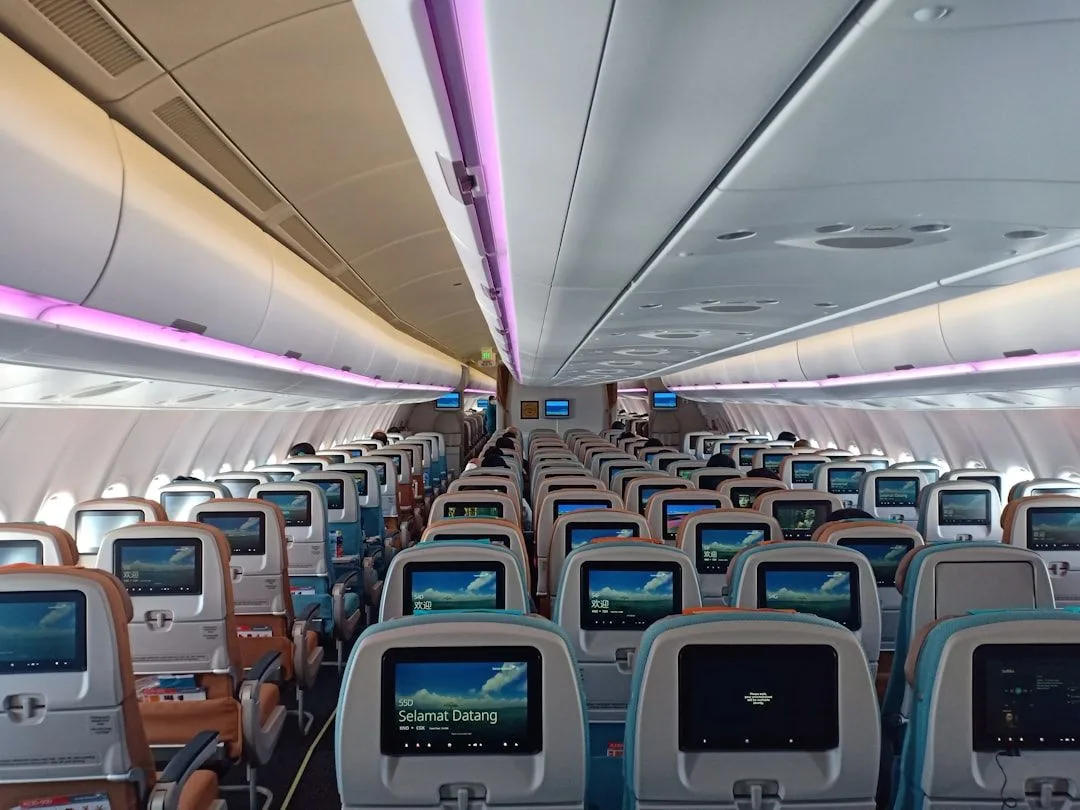
London is served by six airports spread across a fifty-mile radius, and budget carriers concentrate at the distant ones. The advertised fare and the cost of arriving in London are different numbers.
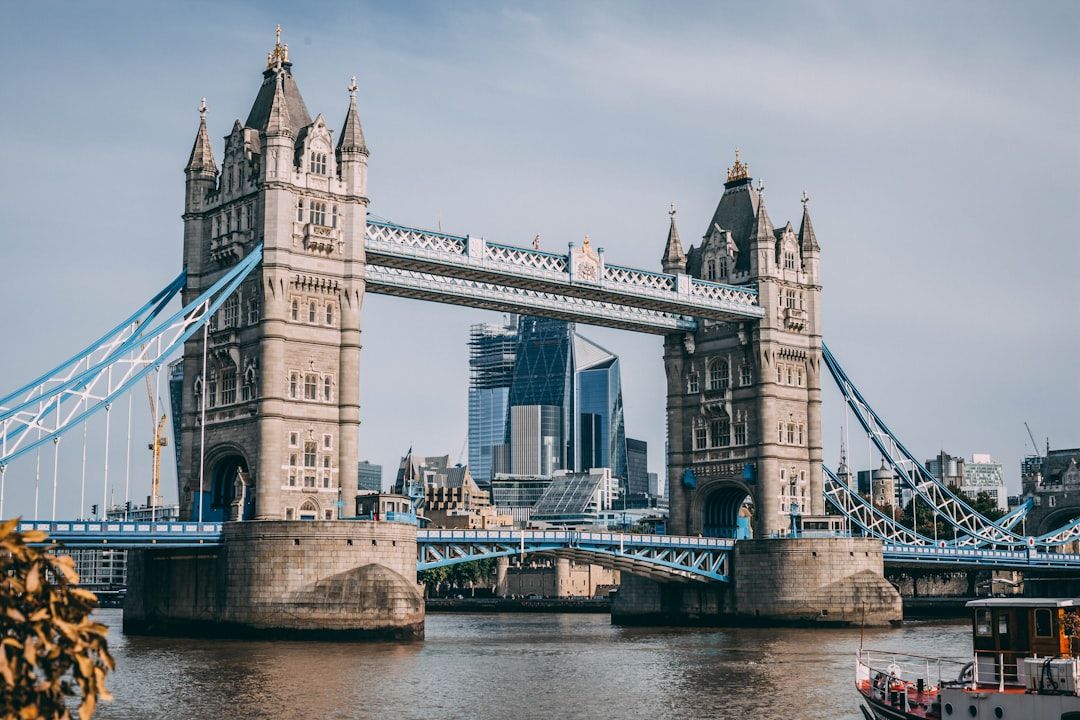
The six, with the transfer counted
| Airport | Distance | To centre | Transfer cost |
|---|---|---|---|
| Heathrow | 25 km | 30–50 min | £3–12 (contactless) |
| City | 11 km | 25 min DLR | Standard fare |
| Gatwick | 45 km | 30 min | £12–20 train |
| Luton | 50 km | 50 min+ | £15–22 + shuttle |
| Stansted | 60 km | 50 min+ | £12–20 express |
| Southend | 65 km | 55 min+ | £17+ |
Heathrow is the convenient one, and unusually for a major hub the transfer is cheap: the Piccadilly line and the Elizabeth line both use ordinary contactless fares that count toward your daily cap. The Heathrow Express is faster and much more expensive, and rarely worth it.
Luton has an additional step people forget — the airport is not on the rail line, so you take a train to Luton Airport Parkway and then a shuttle. That is two legs and a wait.
Doing the arithmetic
A £22 Ryanair fare into Stansted with a £16 return Express transfer is a £54 journey. A £45 fare into Heathrow with a £6 return Tube fare is £57.
Those are effectively the same price, and the Heathrow option saves about two hours and one change with luggage.
The rule that emerges: add £25–40 to any fare into Stansted, Luton or Southend before comparing it with Heathrow or Gatwick.
Contactless, and the two rules
Once you are in London, tap a contactless bank card or phone on and off. It is the cheapest fare available and caps automatically — around £8.90 a day for zones 1–2 and £44.70 a week.
Oyster cards and paper Travelcards offer no advantage to a visitor.
Two rules that cost money if broken:
Tap out on rail. On the Tube, Elizabeth line, Overground and DLR you must tap both ends. Failing to tap out charges a maximum fare.
Use the same card all week. Weekly capping only works if every journey is on one card or device. Alternating between a phone and a physical card splits the total and neither caps.
Buses are tap-in only and cap separately at about £5.25 a day, which makes them the cheap option for short hops.
Where the trip cost actually sits
London is expensive enough that the flight is often the smallest line.
| Item | Typical |
|---|---|
| Hostel dorm | £30–45 |
| Budget hotel | £90–150 |
| Pub meal | £14–20 |
| Pint | £5.50–7.50 |
| Transport, daily cap | £8.90 |
The offsetting factor is that London's major museums are free — the British Museum, National Gallery, Natural History Museum, Science Museum, V&A, Tate Modern and Tate Britain all have free general admission.
That makes the daily cost of doing things in London genuinely low, which is unusual for an expensive city and is worth structuring a trip around.
The practical answer
Price the whole journey rather than the fare. Heathrow and Gatwick usually win once transfers are counted, unless the fare difference is over about £35. And whichever airport you land at, use contactless and one card for everything once you are in the city.