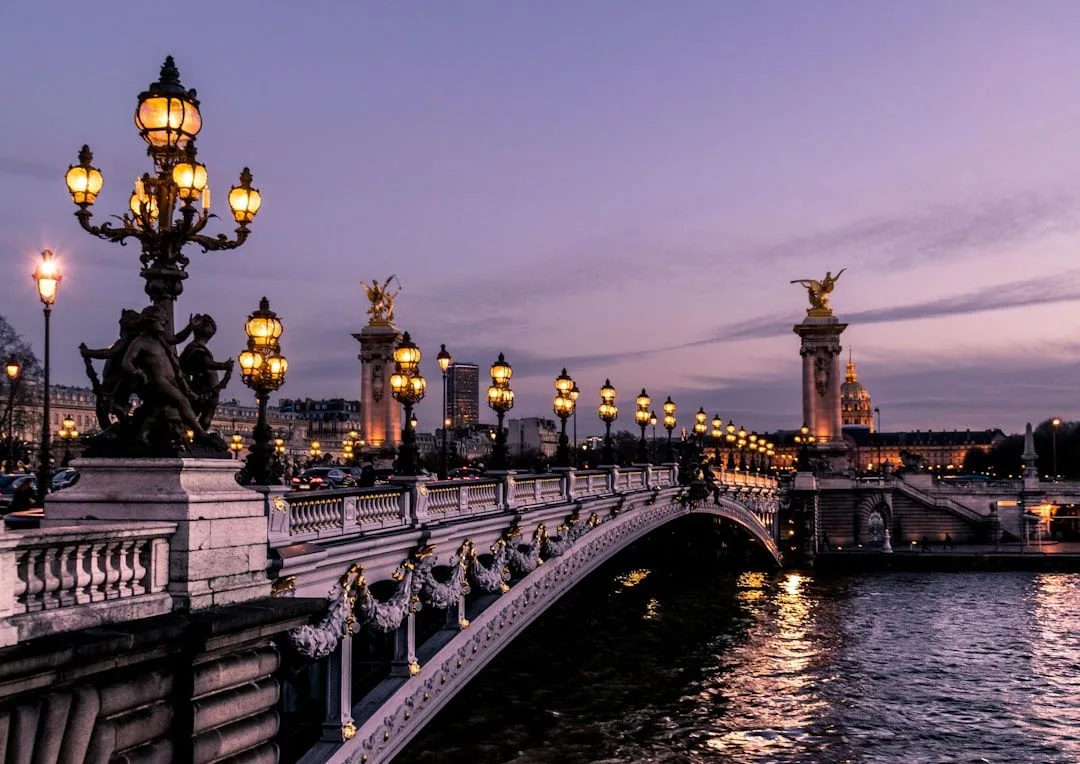
France is expensive if you plan it around Paris and the Riviera and moderate if you do not. Two decisions account for most of the difference: which airport you fly into, and when you book the trains.
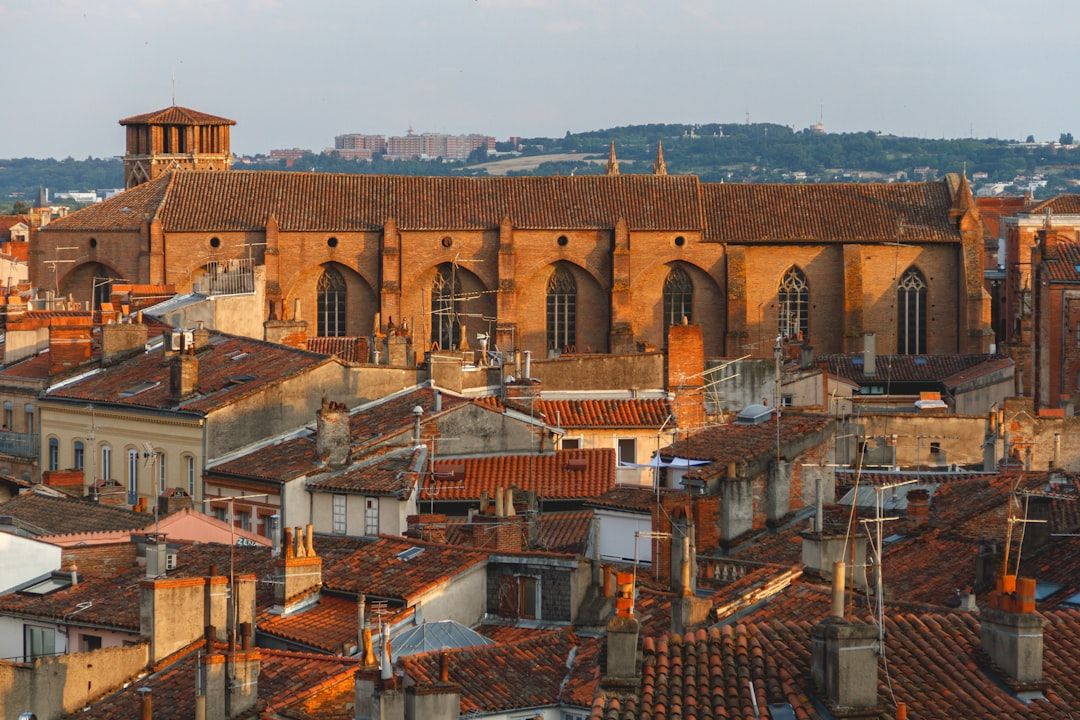
Fly to where you are going
The default plan — fly to Paris, take a TGV onward — costs a fare, a crossing of Paris between stations, and typically half a day.
France has genuine regional airports with real city connections:
| Airport | Serves |
|---|---|
| Lyon | Alps, Auvergne, Rhône valley |
| Marseille / Nice | Provence, Riviera |
| Bordeaux | Southwest, Dordogne, Atlantic coast |
| Toulouse | Occitanie, Pyrenees, Cathar country |
| Nantes | Brittany, Loire, Atlantic |
Flying into the nearest one is almost always cheaper and faster than Paris plus a train, and fares to regional airports are frequently lower to begin with.
The TGV booking window
French high-speed fares are dynamic and climb steadily.
| Route | Booked 6+ weeks | Walk-up |
|---|---|---|
| Paris → Lyon | €25–45 | €90–130 |
| Paris → Marseille | €35–60 | €110–160 |
| Paris → Bordeaux | €30–55 | €95–140 |
| Lyon → Marseille | €20–35 | €60–85 |
The cheap Prem's fares are limited in number and sell first. Three to eight weeks ahead is the window.
Ouigo, the low-cost high-speed service, runs the same tracks for considerably less with stricter baggage rules. The catch is that some Ouigo trains depart from peripheral stations — Marne-la-Vallée rather than Gare de Lyon — which costs 45 minutes and an RER fare. Check the departure station before booking.
TER regional trains are flat-fare, need no reservation, and are bought on the day. For short and medium hops they are frequently the sensible option and they are widely overlooked.
BlaBlaCar
Long-distance ridesharing is genuinely mainstream in France rather than a fringe option, and it is frequently the cheapest way between cities — roughly half a discounted train fare.
It works best on routes with a lot of traffic and is unreliable for tight connections, since you are dependent on one driver.
The cheap regions
| Region | Chambre d'hôtes | Menu du jour |
|---|---|---|
| Auvergne | €55–85 | €14–18 |
| Jura | €55–85 | €14–18 |
| Inland Brittany | €50–80 | €13–17 |
| Dordogne | €65–100 | €15–20 |
| Luberon / Provence | €120–200 | €22–32 |
| Côte d'Azur | €140–250 | €25–40 |
The Auvergne — volcanic landscape, crater lakes, thermal towns, superb cheese — costs less than half what Provence does and receives a fraction of the visitors. The Jura and inland Brittany are similar.
Eating cheaply
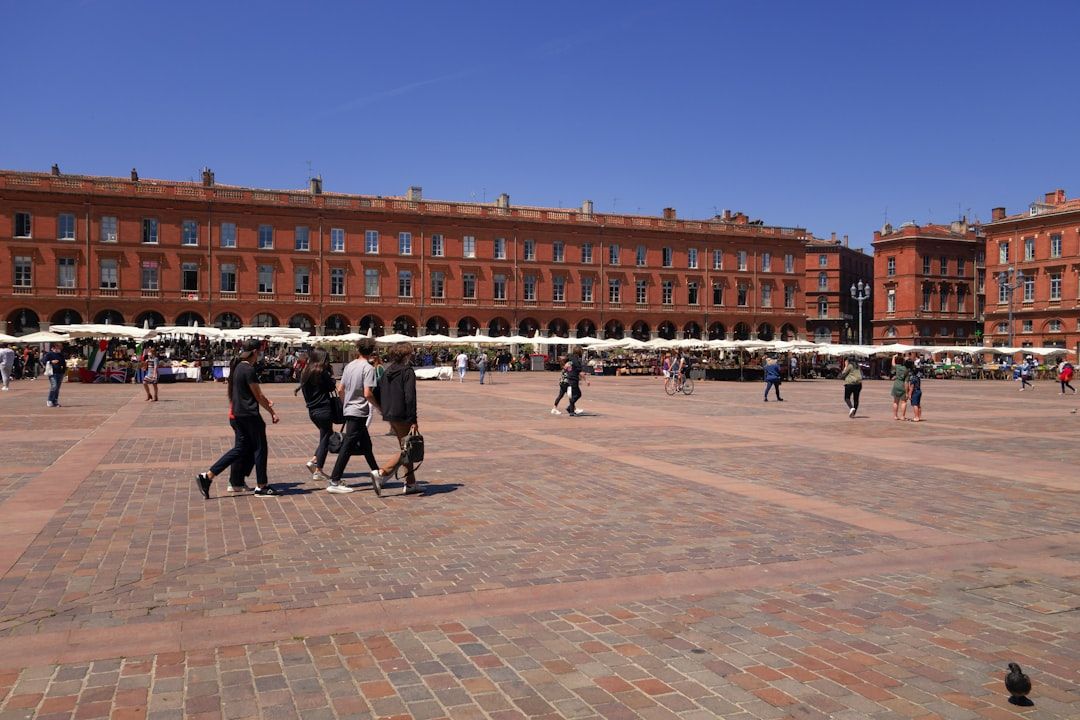
The formule at lunch — two or three courses for €14–20 on weekdays — is the best value meal in France and is what workers eat.
Markets and bakeries. A baguette, cheese, charcuterie and fruit is a €7 lunch that is better than a €20 tourist restaurant.
Standing at the bar costs less than sitting, and it is posted.
Two things that catch people
Sunday and Monday closures outside cities are near-universal, and mid-August closes much of rural France while owners take their own holiday.
Tolls and Crit'Air if you drive: autoroute tolls run €8–10 per 100 km, and French cities operate low-emission zones requiring a windscreen sticker that rentals normally carry — confirm at pickup.