
All-inclusive is treated as a category of holiday rather than a pricing decision, which is why people get it wrong in both directions. The question is narrow: does the destination give you a good alternative to eating at the resort.
Where it genuinely wins
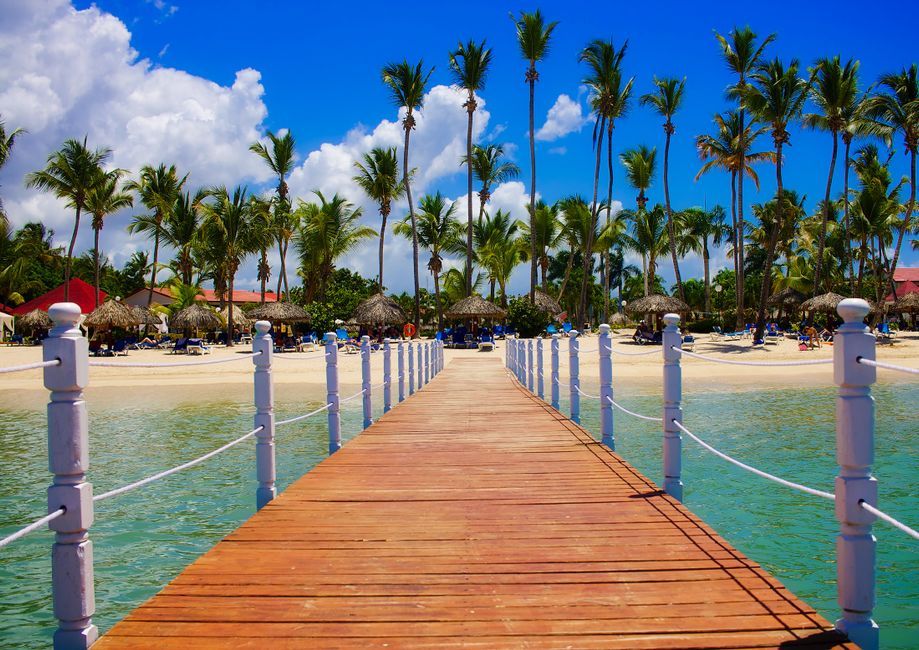
Isolated resorts. If the property sits on a stretch of coast with nothing walkable, your alternatives are the resort restaurant at resort prices or a taxi to somewhere. All-inclusive is then obviously correct. This covers much of the Caribbean, the Maldives, parts of the Red Sea and remote Mexican resort strips.
Expensive destinations. Where a restaurant meal is £30 and a drink £8, the bundled rate wins quickly. The Caribbean and the Maldives again, and increasingly the Dominican Republic and Jamaica.
Young children. The value here is not purely financial — it is not negotiating three meals a day with a four-year-old in a country you do not know, and having food available continuously rather than at restaurant hours.
Drinkers. If a holiday involves several drinks a day, the arithmetic tips fast. Four drinks a day at £6 is £24, which is most of the all-inclusive premium on its own.
Where it wastes money
Spain, Portugal, Greece, Italy. Eating out is cheap and excellent — a menú del día is €12–18, a taverna meal €15. Paying a premium to eat buffet food in a country with that food culture is the clearest waste in travel.
Thailand, Vietnam, Mexico outside resort zones. Street and local food at £2–5 a meal, and better than any hotel buffet.
Anyone planning to explore. If you intend to spend most days away from the resort, you are paying for meals you will not eat. All-inclusive quietly discourages leaving, which for some people is the point and for others is the problem.
The arithmetic
| Destination | AI premium/night | Cost of eating out | Verdict |
|---|---|---|---|
| Caribbean | £50–80pp | £60–100pp | All-inclusive |
| Maldives | £80–150pp | £100–200pp | All-inclusive |
| Canaries | £30–45pp | £30–45pp | Marginal |
| Mainland Spain | £30–45pp | £20–30pp | Room only |
| Greece | £30–45pp | £20–30pp | Room only |
| Thailand | £35–55pp | £8–20pp | Room only |
What "inclusive" excludes
Reading this before booking prevents the most common source of a surprise bill.
Premium spirits and bottled wine. The included list typically covers local brands and house wine. Named spirits are charged.
À la carte restaurants. Many resorts include a limited number of à la carte meals per stay and charge beyond that. Reservations frequently fill on day one, so check whether they open before arrival.
Beach clubs and speciality outlets within the resort, which are often charged separately.
Speciality coffee, fresh juices, minibar at some properties.
Motorised watersports, always. Non-motorised — kayaks, paddleboards, snorkels — usually included.
Compulsory gala dinners on Christmas Eve and New Year's Eve at many resorts, at £60–160 per person, attended or not.
The honest test
Ask two questions. Can I walk to three restaurants from this hotel, and what does a meal cost there.
If the answers are yes and under £20, book room-only and eat where the locals do. If the answers are no and over £40, take the all-inclusive and enjoy not thinking about it.